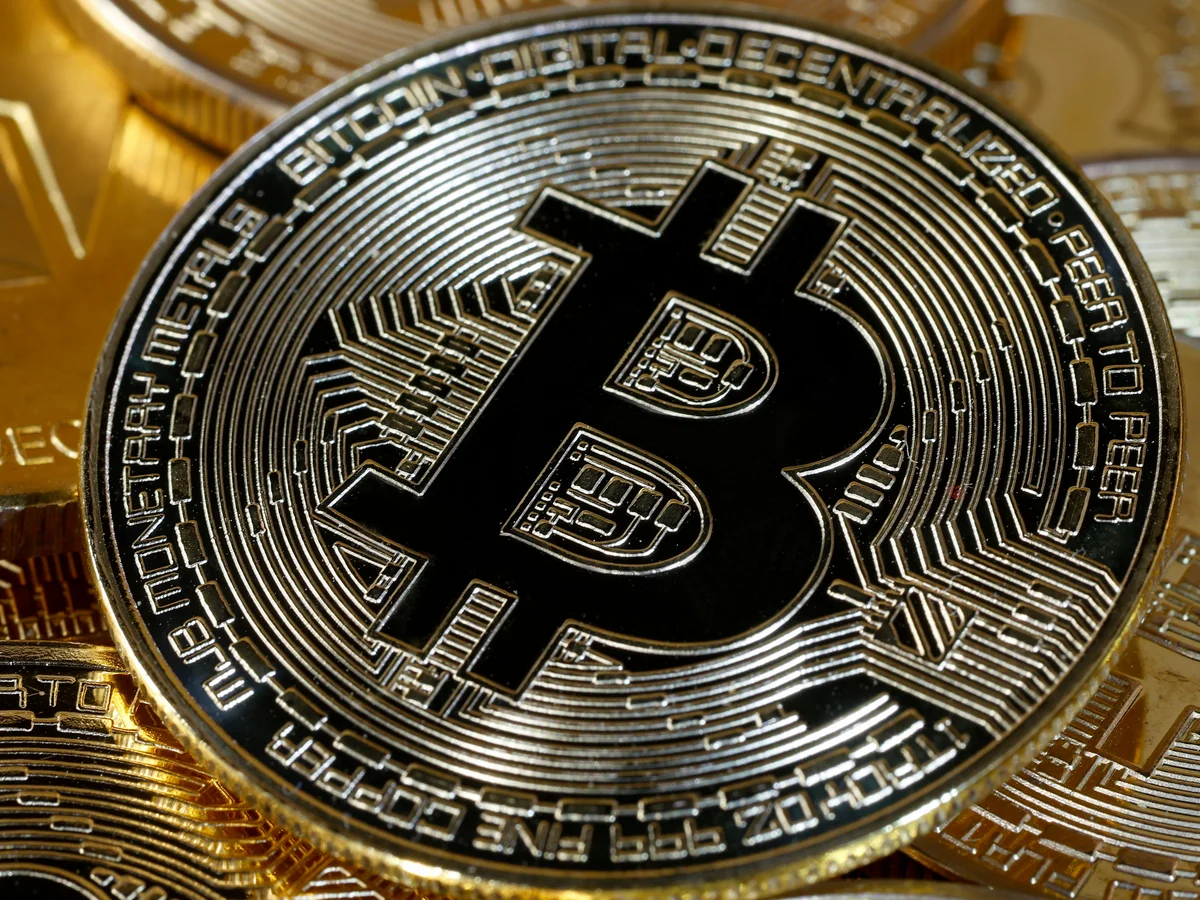
Introduction: A New Dawn in Financial History
In 2008, amidst the global financial crisis, an anonymous entity under the pseudonym Satoshi Nakamoto unveiled a whitepaper that would forever alter the landscape of money. Bitcoin, a decentralized digital currency, emerged not merely as a technical innovation but as a philosophical challenge to the traditional banking system. More than a decade later, Bitcoin has evolved from an obscure experiment to a widely recognized asset, frequently likened to “digital gold.” Its disruptive force continues to ignite debates among economists, investors, and everyday citizens alike.
What Is Bitcoin? Understanding the Basics
At its core, Bitcoin is a peer-to-peer payment system that allows individuals to transfer value without intermediaries such as banks or governments. It runs on a blockchain — an immutable ledger distributed across a global network of computers (nodes). Each transaction is verified by miners, who use computational power to solve complex mathematical puzzles. This process, known as Proof-of-Work, ensures the network’s security and integrity.
Key Characteristics of Bitcoin:
-
Decentralization: No single authority governs Bitcoin. The network is maintained by a dispersed community of miners and developers.
-
Scarcity: Bitcoin’s supply is capped at 21 million coins, making it inherently deflationary.
-
Transparency: Every transaction is publicly recorded on the blockchain, accessible to anyone.
-
Security: Bitcoin’s cryptographic principles make it exceedingly difficult to counterfeit or double-spend.
Bitcoin as Digital Gold: Store of Value or Speculative Bubble?
One of the most compelling narratives surrounding Bitcoin is its comparison to gold. Like gold, Bitcoin is scarce, fungible, and resistant to censorship. Unlike gold, however, it is intangible, borderless, and easily transferable. This unique blend of attributes has positioned Bitcoin as an attractive hedge against inflation and fiat currency devaluation.
Yet, Bitcoin’s volatility remains a double-edged sword. While early adopters have reaped astonishing returns, critics argue its wild price swings undermine its viability as a stable store of value. Detractors often liken it to a speculative bubble reminiscent of the dot-com boom. Advocates counter that volatility is natural for nascent assets and point to Bitcoin’s steadily increasing adoption and market maturity.
Why Do People Buy Bitcoin? The Multifaceted Appeal
The reasons for owning Bitcoin vary greatly, reflecting a spectrum of motivations:
-
Hedge Against Inflation: In countries experiencing currency crises, Bitcoin serves as a financial lifeline.
-
Portfolio Diversification: Many institutional investors now include Bitcoin in their portfolios to balance traditional assets.
-
Ideological Belief: Libertarians and privacy advocates see Bitcoin as an escape from government surveillance and central bank manipulation.
-
Speculation: Some simply chase short-term gains, attracted by the potential for rapid appreciation.
Challenges and Criticisms: Bitcoin Under Scrutiny
Despite its promise, Bitcoin is not without its controversies. Critics frequently highlight several pressing concerns:
-
Energy Consumption: Bitcoin mining demands significant electricity, raising questions about environmental sustainability.
-
Regulatory Uncertainty: Governments worldwide grapple with how to regulate cryptocurrencies, which can create legal ambiguity.
-
Illicit Activities: Its pseudonymous nature has made Bitcoin attractive for money laundering and other nefarious uses, although blockchain’s transparency increasingly helps trace illicit flows.
-
Scalability: Bitcoin’s transaction throughput is limited compared to traditional payment systems like Visa, leading to high fees and slow confirmation times during periods of network congestion.
The Evolution of Bitcoin: From Obscurity to Mainstream
Bitcoin’s journey from an underground experiment to a recognized asset class has been nothing short of remarkable. Major companies, from Tesla to PayPal, have embraced Bitcoin payments or added it to their balance sheets. Financial giants like Fidelity and BlackRock have launched Bitcoin-related investment products, bringing it into the realm of traditional finance.
Additionally, entire countries have taken bold steps toward Bitcoin adoption. El Salvador famously became the first nation to accept Bitcoin as legal tender in 2021 — a groundbreaking yet controversial move that signaled how far the cryptocurrency has come.
The Future of Bitcoin: What Lies Ahead?
Predicting Bitcoin’s future is a complex exercise, yet a few trends seem plausible:
-
Institutional Adoption: More corporations and pension funds may embrace Bitcoin, enhancing its legitimacy.
-
Regulatory Clarity: As governments refine their policies, clearer rules could reduce uncertainty and attract cautious investors.
-
Technological Improvements: Layer-2 solutions like the Lightning Network aim to solve scalability issues, enabling faster and cheaper transactions.
-
Environmental Innovation: The growing emphasis on renewable energy may help mitigate Bitcoin mining’s carbon footprint.
Key Considerations for Prospective Investors
For those contemplating an investment in Bitcoin, prudence is paramount. A few essential guidelines:
-
Do Thorough Research: Understand how Bitcoin works, its risks, and its potential rewards.
-
Diversify: Never invest more than you can afford to lose; treat Bitcoin as a part of a broader, balanced portfolio.
-
Secure Your Holdings: Use reputable wallets and exchanges, enable two-factor authentication, and consider cold storage for long-term holdings.
Conclusion: Bitcoin’s Enduring Legacy
Regardless of whether one views Bitcoin as the future of money, a speculative asset, or a technological curiosity, its impact on the global financial system is undeniable. It has inspired a broader cryptocurrency ecosystem, sparked debates about monetary sovereignty, and challenged the monopoly of central banks.
As Bitcoin continues to evolve, its story is far from over. In an age defined by rapid technological change and economic uncertainty, Bitcoin stands as a testament to the human drive to rethink and reinvent what we consider possible — and valuable. Whether it ultimately replaces fiat currency or coexists alongside it, Bitcoin’s role as a catalyst for financial innovation is secure. Its legacy, like its blockchain, is here to stay.
