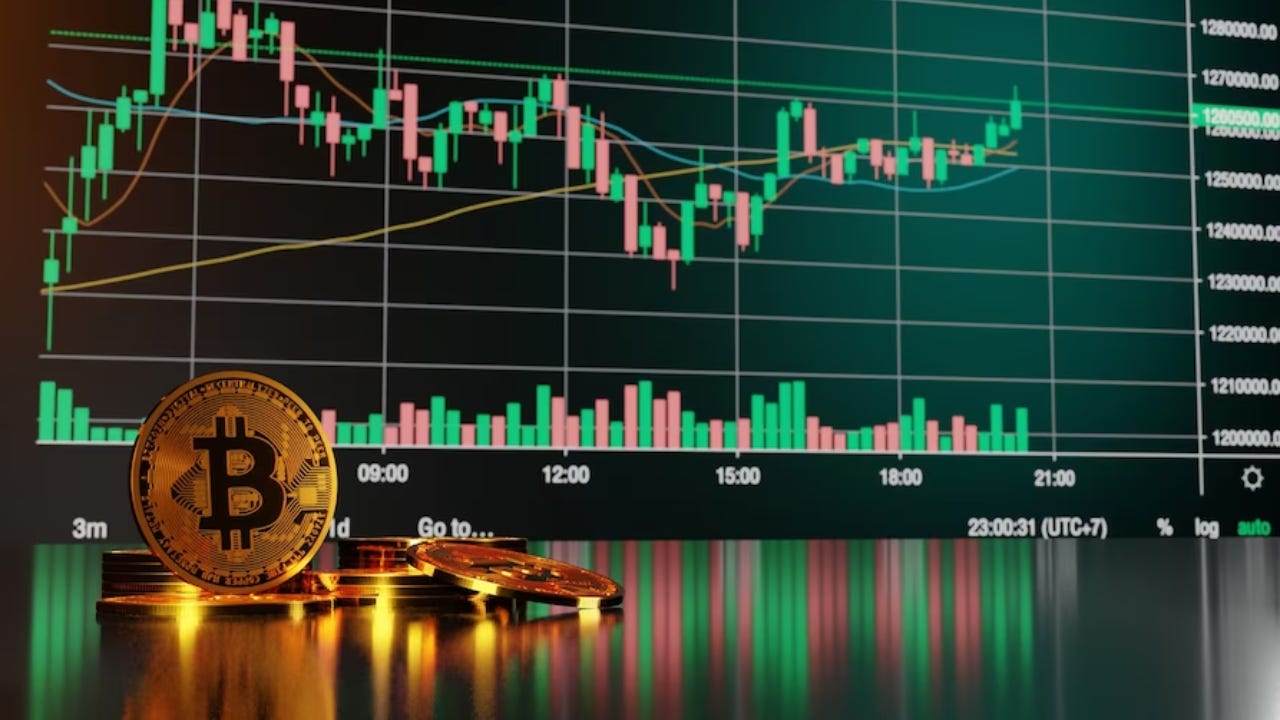
Introduction: A Financial Frontier Unfolds
In the span of just over a decade, crypto trading has emerged from a niche curiosity to a global phenomenon that commands daily headlines and attracts traders from every corner of the world. Born out of the same technological revolution that gave rise to Bitcoin and blockchain technology, crypto trading is more than just speculation — it is a testament to how rapidly the rules of finance can shift in the digital age.
Unlike traditional markets that shut their doors at closing bells, the crypto market never sleeps. This unceasing dynamism makes it both alluring and intimidating, demanding that traders adapt to its unique tempo and temperament.
Understanding Crypto Trading: More Than Buying and Selling
At its core, crypto trading involves the active buying and selling of cryptocurrencies in pursuit of profit. While traditional investing often revolves around long-term holds and gradual wealth building, trading is about timing, precision, and the ability to read trends as they unfold.
Digital assets such as Bitcoin, Ethereum, and a vast array of altcoins provide a playground for traders seeking to harness volatility. Price swings of 5% to 10% within hours are not uncommon — an unthinkable level of movement in traditional equity markets. Such volatility is not for the faint-hearted, yet it is precisely what attracts traders looking to capitalize on rapid price fluctuations.
Key Methods in Crypto Trading
Crypto trading is not monolithic; it encompasses various approaches, each with distinct risk profiles and strategies.
-
Spot Trading: The simplest form of trading, involving the direct purchase or sale of actual cryptocurrencies at current market prices.
-
Margin Trading: Traders borrow capital to increase the size of their positions, amplifying potential gains but also exposing themselves to magnified losses.
-
Derivatives Trading: This includes futures, options, and perpetual contracts that allow traders to speculate on price movements without holding the underlying asset.
-
Arbitrage: Exploiting price differences across different exchanges to earn small, low-risk profits.
-
Automated Trading: Using bots and algorithms to execute trades based on pre-programmed strategies, ideal for traders who wish to eliminate emotional decision-making.
Why Crypto Trading Captivates the Modern Investor
The draw of crypto trading lies in its unique blend of accessibility, innovation, and the promise of outsized returns.
-
Low Entry Barriers: Unlike traditional stock trading, which often requires significant capital and paperwork, anyone with an internet connection and a small sum can start trading crypto.
-
Decentralization: Many traders are drawn to crypto because it exists outside traditional banking and regulatory frameworks.
-
Around-the-Clock Market: Crypto never sleeps, allowing people in different time zones to trade at their convenience.
-
Innovation: New coins, DeFi projects, and technological upgrades continually introduce fresh opportunities for speculation.
-
Community: Crypto trading communities, rich with memes, tips, and heated debates, add a cultural dimension that traditional finance rarely offers.
Developing a Trader’s Mindset: Beyond FOMO and Hype
While the barrier to entry is low, succeeding in crypto trading is anything but simple. Markets are ruthless to the unprepared, rewarding only those who combine knowledge with discipline.
A successful trader must learn to master emotion. The fear of missing out (FOMO) can seduce even the cautious into chasing pumps, only to be caught in painful corrections. Conversely, panic during sudden downturns can prompt poor decisions.
Patience and discipline distinguish serious traders from gamblers. This mindset is cultivated through strategy, risk management, and an unwavering commitment to learning.
Popular Trading Strategies to Consider
Traders employ varied approaches, often mixing and matching based on market conditions.
-
Day Trading: Entering and exiting positions within a single day to profit from intraday price movements.
-
Swing Trading: Taking advantage of medium-term trends, with trades lasting days or weeks.
-
Scalping: Making dozens or hundreds of tiny trades in a day to scrape small profits that add up over time.
-
Trend Following: Identifying and riding established market trends, using tools like moving averages and momentum indicators.
Risk Management: The Bedrock of Long-Term Survival
For all its potential rewards, crypto trading can be unforgiving. It is not uncommon for traders to wipe out entire accounts chasing quick gains without a clear plan. Wise traders treat risk management as sacred.
-
Never Invest More Than You Can Lose: This cardinal rule keeps emotions in check and protects traders from catastrophic losses.
-
Set Stop-Loss Orders: Automated triggers help cap losses when a trade turns sour.
-
Diversify: Spreading exposure across multiple coins or strategies can help offset poor performance in one area.
-
Stay Informed: Crypto markets are highly sensitive to news. Regulatory changes, hacks, or celebrity tweets can shift prices in minutes.
Tools and Platforms: Equipping the Modern Crypto Trader
Today’s traders have access to sophisticated exchanges, analytical tools, and educational resources unimaginable during Bitcoin’s early years.
-
Centralized Exchanges: Platforms like Binance, Coinbase, and Kraken provide liquidity, a wide range of trading pairs, and robust security measures.
-
Decentralized Exchanges: DEXs like Uniswap or PancakeSwap let traders swap tokens directly, retaining control of their private keys.
-
Technical Analysis Platforms: Services like TradingView enable traders to chart price movements and test strategies in real time.
-
Portfolio Trackers: Apps help traders monitor their holdings, profits, and losses across multiple exchanges.
The Regulatory Landscape: Friend or Foe?
Crypto trading operates in a regulatory grey zone in many parts of the world. Some nations have embraced crypto, viewing it as an innovation engine. Others impose strict controls, citing concerns over money laundering and consumer protection.
Regulation can be a double-edged sword. Reasonable frameworks can protect investors and weed out bad actors, boosting confidence and encouraging institutional capital. Heavy-handed crackdowns, however, risk driving trading activity into unregulated and potentially unsafe territories.
Looking Ahead: The Future of Crypto Trading
Where does crypto trading go from here? As blockchain technology matures, innovations like decentralized finance (DeFi), non-fungible tokens (NFTs), and tokenized assets promise to keep the market vibrant and unpredictable.
Institutional adoption continues to rise, with large financial firms offering crypto services to mainstream investors. Advances in scalability, security, and privacy could make crypto trading more efficient and accessible to millions more worldwide.
Conclusion: Taming the Digital Wild West
Crypto trading is not merely about chasing quick riches — it is about understanding a revolutionary market that blends technology, finance, and a spirit of decentralization. For those who approach it with caution, discipline, and curiosity, crypto trading offers more than profit: it offers a front-row seat to the ongoing evolution of money itself.
Whether one emerges as a seasoned trader or an informed observer, the experience of navigating this digital frontier is bound to shape how we think about wealth and opportunity in a world increasingly defined by the power of code over paper.
