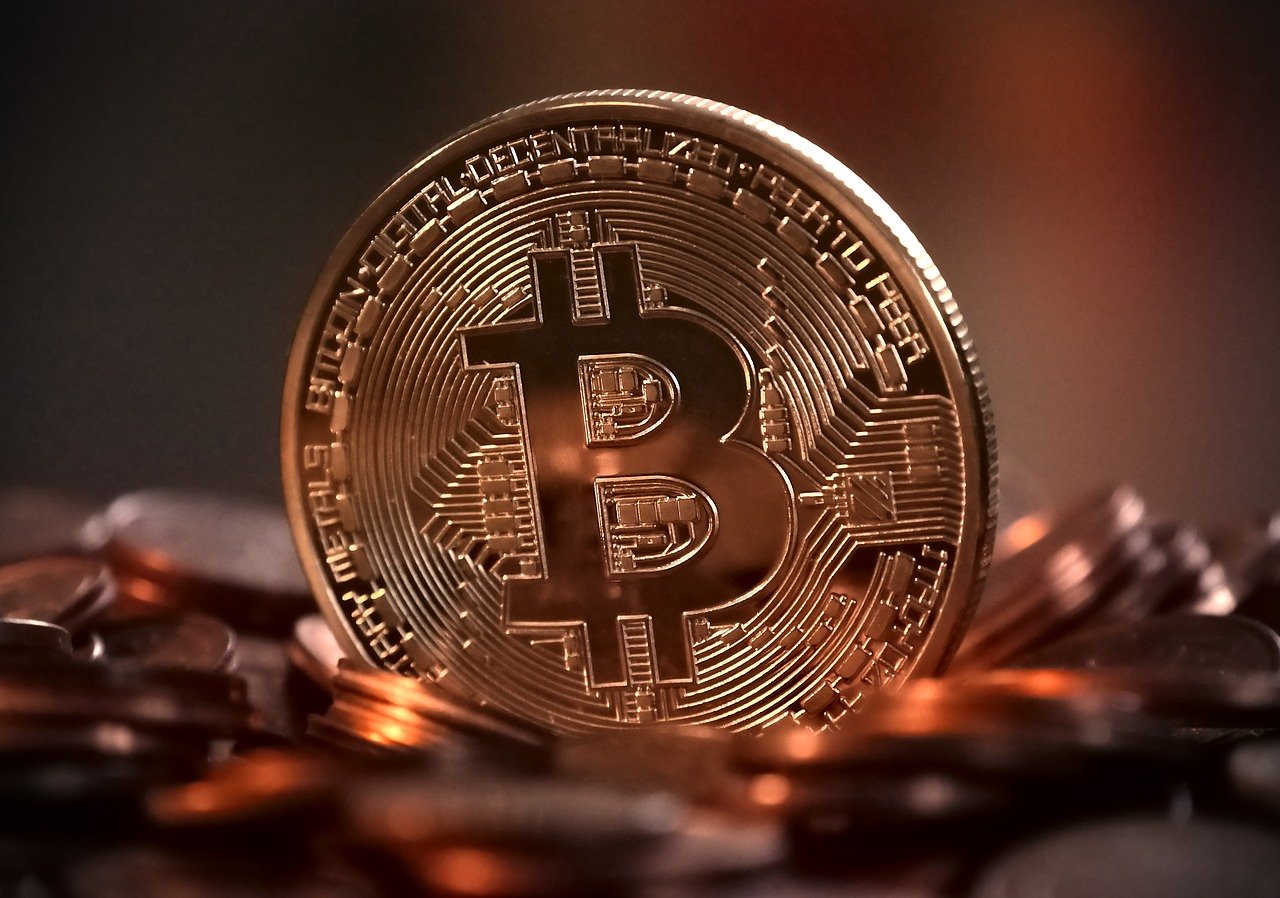
Introduction: The Birth of a Digital Revolution
In 2009, an enigmatic figure known only as Satoshi Nakamoto launched Bitcoin, an invention that would ignite an unrelenting wave of financial disruption. In the wake of the 2008 economic collapse, trust in traditional institutions was at a low ebb, and Bitcoin’s promise — a decentralized, peer-to-peer currency free from the grip of governments and banks — arrived like a spark in dry tinder. Today, what started as an experiment discussed in cryptography circles has grown into an asset class commanding trillions in market value and global headlines on any given day.
Understanding Bitcoin: Beyond the Buzzwords
To truly appreciate Bitcoin, one must look past the hype and understand its underlying mechanics and philosophy. Bitcoin is not just digital money — it is an entire financial system encoded in lines of open-source code. At its heart lies the blockchain, a transparent ledger distributed across a worldwide network of computers. Every transaction is recorded chronologically in blocks linked together in a chain, ensuring the network’s integrity without any central authority.
Core Attributes of Bitcoin
-
Decentralization: No government, corporation, or single individual controls Bitcoin’s network. Power is distributed among miners, developers, and users worldwide.
-
Finite Supply: Only 21 million bitcoins will ever exist. This programmed scarcity mimics gold’s limited nature, fueling its nickname as “digital gold.”
-
Transparency and Security: Transactions are visible to all yet pseudonymous. The cryptographic principles behind Bitcoin make it nearly impossible to counterfeit or reverse transactions fraudulently.
-
Borderless and Censorship-Resistant: Bitcoin empowers individuals to send value across borders without needing permission from traditional gatekeepers.
Why Bitcoin Matters in Today’s Economy
Bitcoin’s emergence coincided with deep disillusionment in the global financial system. Central banks’ ability to print money at will, often to rescue failing institutions or stimulate sluggish economies, has stoked fears of currency debasement. In this context, Bitcoin offers an alternative — a self-governing monetary system immune to the whims of policymakers.
For some, Bitcoin represents hope in economies plagued by hyperinflation and capital controls. For others, it is a digital asset with the potential to diversify investment portfolios traditionally dominated by equities, bonds, and real estate.
Bitcoin as a Store of Value: The ‘Digital Gold’ Thesis
Comparisons to gold are not accidental. Bitcoin’s scarcity and predictable issuance schedule give it qualities akin to precious metals, with a modern twist. Unlike gold, Bitcoin is weightless and borderless — a string of code that can be transferred instantly across continents. This convenience makes it particularly appealing to younger generations who view traditional assets through a different lens.
Yet, Bitcoin’s volatility tempers its allure as a store of value. Sudden price swings are commonplace and can unsettle new investors. Critics argue that an asset with such wild fluctuations cannot reliably store wealth. Advocates counter that volatility is the price of admission for an asset that remains young and under adoption. Over time, they contend, as the market deepens and matures, price stability will follow.
Adoption Trends: From Fringe to Finance Mainstream
Bitcoin’s path from obscurity to mainstream acceptance is marked by several milestones that would have seemed unthinkable a decade ago. Publicly traded companies such as Tesla and MicroStrategy have added Bitcoin to their treasuries. Major payment processors like PayPal and Square have integrated Bitcoin purchases into their platforms, easing entry for everyday consumers.
At the institutional level, heavyweight investors, hedge funds, and even pension funds have dipped their toes into the Bitcoin waters, often framing it as a hedge against inflation and macroeconomic uncertainty. The once-taboo asset is now discussed alongside stocks, bonds, and commodities in boardrooms worldwide.
Key Drivers of Bitcoin Adoption
-
Monetary Policy Concerns: In an era of massive government spending and quantitative easing, Bitcoin appeals as a hedge against fiat debasement.
-
Technological Optimism: Millennials and Gen Z, digital natives at heart, find the concept of digital scarcity and programmable money intuitive and attractive.
-
Financial Inclusion: Bitcoin opens avenues for the unbanked to participate in the global economy without the need for traditional banking infrastructure.
-
Speculation: Undeniably, the allure of outsized returns has driven waves of speculative fervor, drawing traders and thrill-seekers alike.
Challenges and Criticisms: The Roadblocks Ahead
Despite its promise, Bitcoin is no stranger to controversy. Its environmental impact, due to the immense energy consumption of Proof-of-Work mining, remains a hot topic. Critics argue this carbon footprint undermines any social good the technology claims to offer. In response, some miners have shifted to renewable energy sources, and developers are exploring alternative consensus mechanisms.
Regulatory uncertainty is another challenge. Nations have taken vastly different stances on Bitcoin, ranging from outright bans to full embrace. How major economies choose to regulate — or restrict — Bitcoin will significantly influence its future trajectory.
Bitcoin’s pseudonymity has also attracted bad actors. From darknet markets to ransomware demands, its misuse has given regulators ammunition for crackdowns. However, blockchain’s transparency paradoxically aids law enforcement in tracking illicit flows, often more effectively than traditional cash.
Looking Ahead: The Next Decade of Bitcoin
Predicting Bitcoin’s future is fraught with complexity. Its journey could veer in several directions:
-
Integration into Traditional Finance: Bitcoin may become a routine part of diversified portfolios, ETFs, and retirement accounts.
-
Technological Evolution: Layer-2 solutions like the Lightning Network promise to solve scalability issues, enabling Bitcoin to process thousands of transactions per second.
-
Sustainable Mining: Greater adoption of green energy could soften criticisms about Bitcoin’s environmental toll.
-
Potential for Global Legal Tender: Following El Salvador’s bold experiment, other nations may explore similar paths, especially those seeking monetary sovereignty from dominant reserve currencies.
A Word of Caution for New Investors
Bitcoin’s siren song is alluring, but it is not without risks. Prospective investors should approach with diligence:
-
Research Thoroughly: Understand the fundamentals, technology, and market dynamics.
-
Invest Responsibly: Allocate only what you can afford to lose, given Bitcoin’s notorious volatility.
-
Prioritize Security: Use reputable exchanges, enable multi-factor authentication, and consider cold wallets for long-term holdings.
Conclusion: The Legacy of an Idea
Bitcoin is more than an asset — it is an idea. It challenges the notion that money must be created and controlled by states. It embodies a radical vision: that value can flow freely, unmediated, secured by code and collective consensus. Whether Bitcoin becomes the world’s reserve currency, a digital gold standard, or remains a niche alternative, its role as a catalyst for rethinking money is undeniable. As the world grapples with technological acceleration and economic uncertainty, Bitcoin stands as both a product and a driver of our times — a testament to the boundless human appetite for innovation and freedom.
